



Drive up Tijeras Canyon from Albuquerque and you can feel the temperature fall with every mile. At over 6,000 feet in the East Mountains, Tijeras gets colder nights, more snow, and a longer heating season than the city below. Homes here sit among pinon and juniper, often on wooded lots with long driveways, and a dependable furnace is not optional. Many homes in and around Tijeras were built to handle mountain weather, but even well built homes rely on a furnace that runs reliably for months at a time. Some properties pair forced air with a wood stove, while others depend on the furnace alone. Either way, losing heat up here is more than an inconvenience. Pen Pals Cooling Heating Plumbing brings honest furnace repair to Tijeras homeowners. Our certified technicians tell you what is wrong, what it will take to fix, and what it costs before we start. When your furnace quits on a snowy night, our emergency furnace repair team is available 24/7.

In the mountains, a furnace problem can turn serious fast once the temperature drops. These are the warning signs to take seriously. Catching these early means you can schedule a repair before a storm makes travel up the canyon harder for everyone. Mountain weather can change quickly, so it is better to deal with small issues on a calm day.
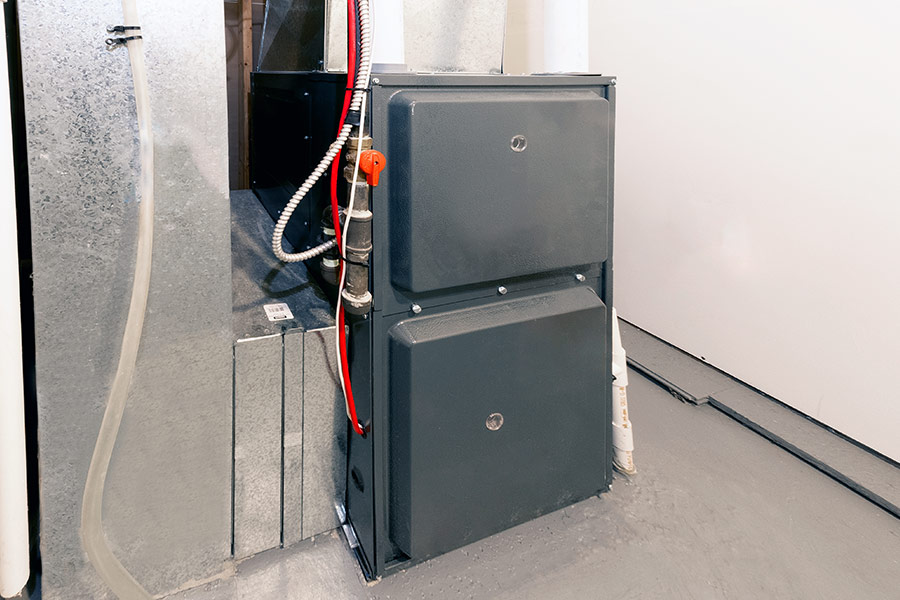
Elevation plays a big part in how furnaces run in Tijeras. Thinner air changes how gas burns, and a furnace that was not adjusted for the altitude can burn inefficiently, build up soot, and put extra stress on the heat exchanger. Many homes in the area also run on propane, and cold snaps can lower tank pressure enough to cause weak heat or ignition problems. High efficiency furnaces produce condensate, and in the colder East Mountain climate those drain lines can freeze if they run through unheated spaces. A frozen line backs water into the furnace and trips a safety switch, leaving the house without heat until the line thaws or is repaired. Snow and ice can also block intake and exhaust pipes during storms. Wooded, rural lots invite wildlife. Mice and pack rats look for warm places to nest in winter, and they sometimes chew through furnace wiring or ductwork. Power flickers during storms can also damage control boards and igniters. These are some of the most frequent repairs we handle in the area, along with clogged filters and worn blower motors.
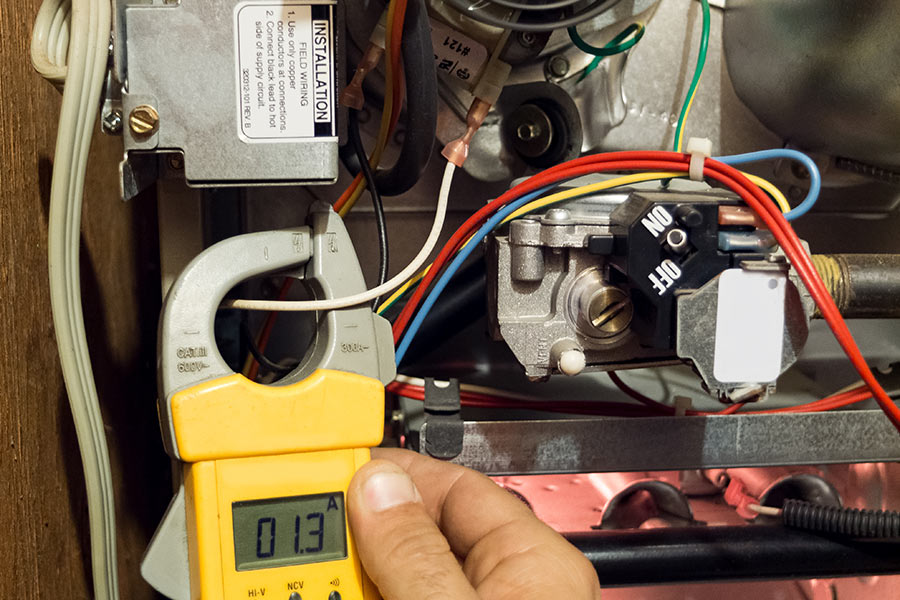
Because a return trip up the canyon takes time for everyone, we aim to get the full picture on the first visit. Our technician inspects the furnace, venting, condensate drain, ductwork, and wiring, along with ignition, burners, and safety controls. For propane homes, we also check fuel pressure and burner setup. Once we know the cause, we explain it clearly and give you an upfront price. If a repair will reliably get you through the winter, we tell you that. If your furnace has larger problems, we share them honestly and let you decide what is best for your home and budget. We never recommend more than your home actually needs. After the repair, we run the furnace through full cycles and test every safety control. We also point out anything that could be a problem in the next storm, such as an exposed condensate line or a low vent pipe, so you can stay ahead of it.
Tom called us on a Saturday morning in January after a cold night in Tijeras left his house in the 50s. The furnace would start, run briefly, and shut down, and a small puddle had formed underneath it. Our technician traced the problem to a condensate drain line that had frozen where it passed through an unheated crawlspace. Water had backed up into the furnace and tripped the safety switch. He thawed and cleared the line, added insulation to protect it from future freezes, and checked the furnace for any water damage. The heat was back on within a couple of hours, and Tom did not have to spend the rest of the weekend bundled up by the wood stove.
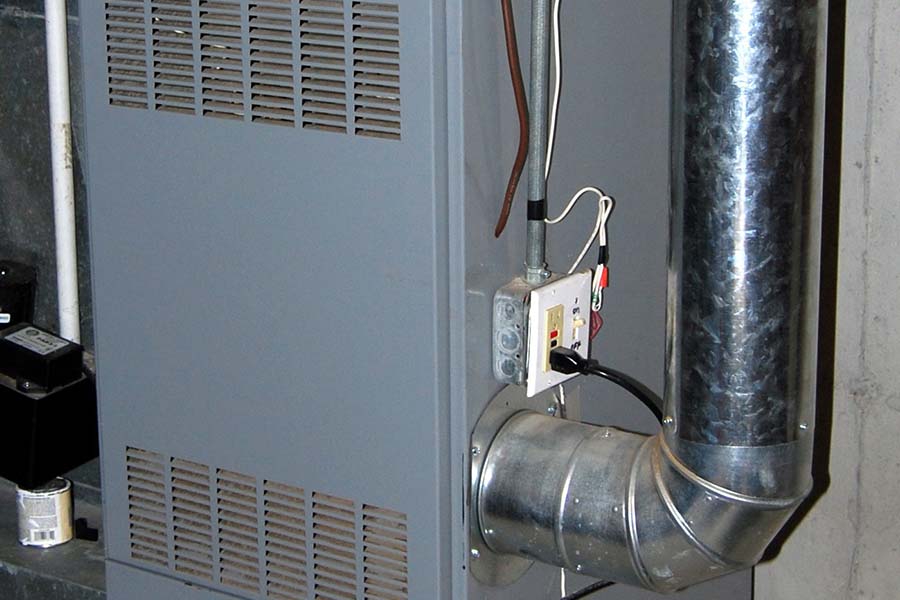
East Mountain homeowners need a heating company that will make the trip and do the job right. That is what we are here for.
When winter settles into the canyon, Tijeras homeowners can count on us to keep their homes warm and safe. Wherever your home sits in the canyon, one call gets you honest help.

A frozen condensate line, low propane pressure, or a blocked vent pipe are common causes in the East Mountains.
Yes. At Tijeras elevations, gas furnaces need proper setup for thinner air to run safely and efficiently.
Seal gaps around the furnace area, keep the space clean, and have the system inspected each fall.
Yes. A yearly checkup in the fall helps catch problems before the long mountain heating season begins.
Yes. Our emergency furnace repair team is available 24/7, including nights, weekends, and holidays.